
Introduction
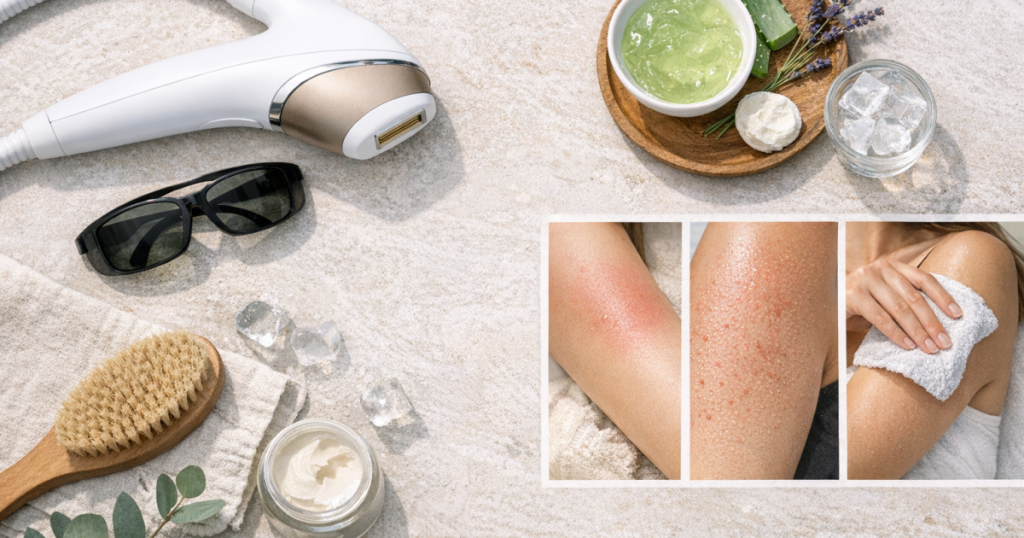
In this guide to side effects of laser hair removal, Laser hair removal (LHR) is an option that’s gaining traction among women looking for smooth skin without the fuss of conventional hair removal methods. While the treatment is typically safe and effective, understanding potential side effects can equip you to make informed choices and handle any discomfort more effectively.
At a glance
- Common side effects may manifest as redness, swelling, and skin irritation.
- Some individuals might notice discolouration or hyperpigmentation.
- Temporary changes in skin texture can occur.
- In rare cases, burns or scarring may result if proper care isn’t followed.
- Utilising suitable post-treatment products can help reduce complications.
- Your individual skin type and hormonal levels can affect side effects.
- Consulting a qualified professional before treatment is crucial.
Quick answers
What are the most common side effects?
The most frequently experienced side effects of laser hair removal are typically temporary redness, mild swelling, and slight skin irritation in the area that has been treated.
How long do side effects typically last?
Most side effects, like redness and swelling, usually go down within a few hours to a couple of days after treatment.
Can I prevent side effects?
To help reduce side effects, it’s important to follow the pre- and post-treatment guidelines provided by your practitioner, along with using any recommended soothing products.
Are there different side effects for different skin types?
Indeed, those with darker skin might be at a greater risk for hyperpigmentation, while individuals with sensitive skin may experience heightened irritation.
What should I do if I experience severe side effects?
If you encounter severe or persistent side effects, it’s best to reach out to your clinic straight away for expert advice and potential treatment options.
Key takeaways
- While laser hair removal is generally safe, it does come with potential side effects. (especially for side effects of laser hair removal)
- Redness and irritation are common, but they’re usually temporary.
- Your skin type and hormone levels can influence the side effects you experience.
- Choosing a reputable clinic is essential in minimising risks.
- Always adhere to the pre- and post-treatment care instructions for optimal results.
- If you have specific concerns, consult with a healthcare professional before proceeding with treatment.
FAQ
What causes side effects after laser hair removal?
Side effects can arise from the intensity of the laser, your skin’s individual sensitivity, and specific hormonal factors impacting the skin.
Will laser hair removal affect skin with PCOS?
Women with PCOS may notice different hair growth patterns, so it’s important to discuss this condition with your practitioner. Generally, the treatment is safe, but careful monitoring is advised.
What products should I use post-treatment?
Using soothing creams, like aloe vera or those containing hyaluronic acid, can aid recovery. The Ordinary Amino Acids (check price on Amazon) is one such option that may help hydrate and soothe your skin.
How can I ensure the best results?
Opting for a reputable clinic and diligently following all recommended care procedures will significantly enhance your treatment results.
When can I expect results from laser hair removal?
While some may see results after the initial session, optimal outcomes typically require multiple treatments. For a detailed understanding of the number of sessions needed, take a look at this article about how many sessions are required.
As you consider laser hair removal, it’s important to keep realistic expectations regarding the outcomes and potential side effects, particularly concerning your unique skin type. If you have a darker skin tone, the likelihood of experiencing hyperpigmentation after treatment is heightened. Therefore, it’s advisable to discuss the specifics of your skin with your practitioner beforehand so they can tailor the treatment to your needs. Additionally, those with sensitive skin might find a patch test beneficial before the full treatment to understand how their skin reacts to the laser.
It’s also essential to recognise that healing and recovery can be influenced by lifestyle factors. Staying well-hydrated may support skin recovery and enhance your overall well-being. Furthermore, avoiding sun exposure before and after your treatment can significantly lower the risks of adverse effects. If you need to go outside, applying a broad-spectrum sunscreen with a minimum SPF of 30 can protect the treated areas. Incorporating antioxidant-rich foods into your diet may further support skin health and boost resilience.
Beyond soothing creams, your post-treatment care can be further improved by using gentle cleansers and moisturisers specifically designed for sensitive skin. It’s wise to avoid products containing alcohol or harsh fragrances, as these can exacerbate irritation. Instead, look for calming ingredients like calendula or chamomile, known for their soothing properties. Establishing a balanced skincare routine that promotes healing will be advantageous in maintaining skin health following your laser sessions.
- Stay hydrated to aid skin recovery.
- Avoid direct sun exposure immediately after treatment.
- Use gentler skincare products to limit irritation.
- Consider dietary choices that incorporate antioxidants.
- Regular check-ups with your practitioner can help track progress and address any concerns.
Related reading
- Seasonal Considerations for Laser Hair Removal Treatments
- Laser Hair Removal vs. Electrolysis: Which Is Better for You?
- How to Choose the Right Laser Hair Removal Clinic in Sheffield
